
Set Up a Chart of Accounts for Rental Properties
Learn how to create an effective chart of accounts for rental properties to streamline your financial management and reporting.
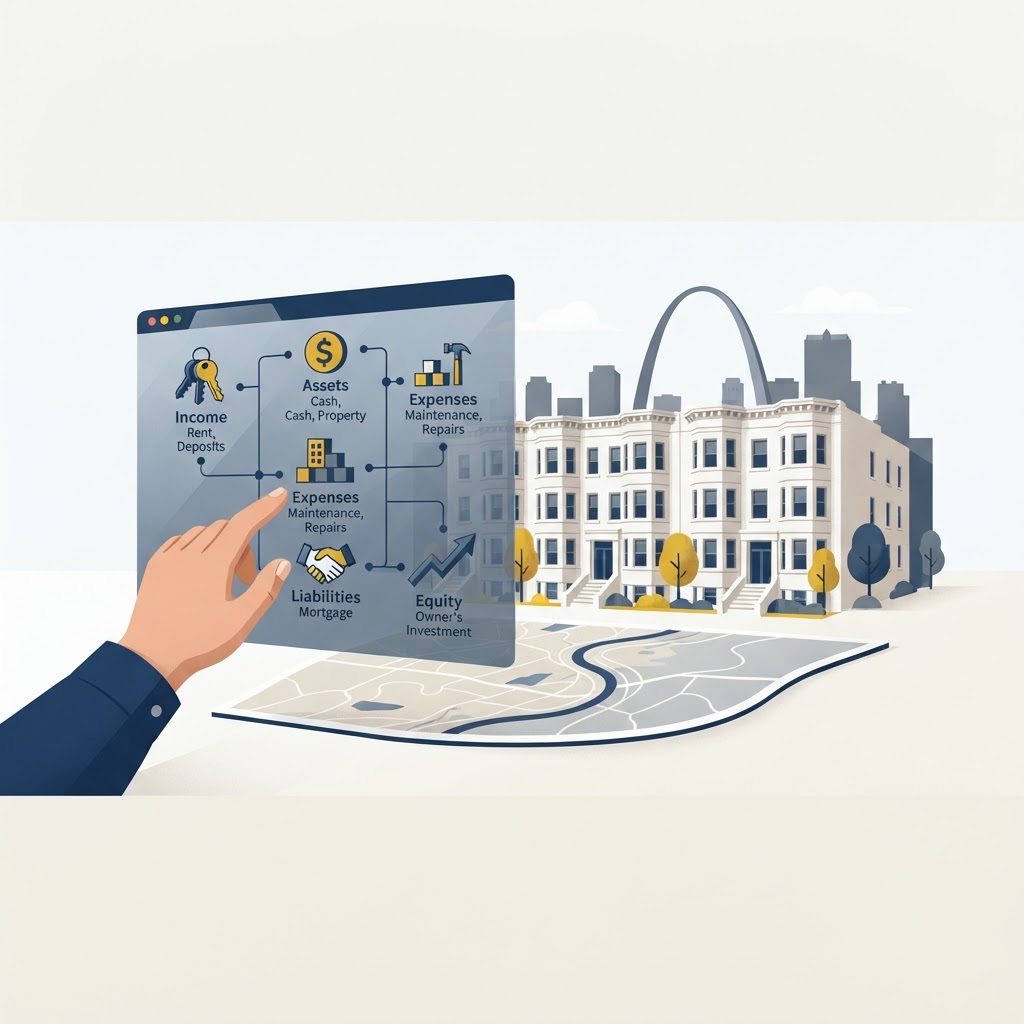
Managing the financials of rental properties involves a thorough understanding of your income and expenses. Setting up a chart of accounts tailored to your rental business is crucial for efficient bookkeeping and insightful reporting. This guide will walk you through the process, ensuring you have a solid foundation for your accounting practices. ## What is a Chart of Accounts? A chart of accounts is a comprehensive list of all financial accounts used by a business to record transactions. For rental property management, this typically includes categories for income, expenses, assets, liabilities, and equity. A well-organized chart of accounts helps property owners track financial performance, prepare accurate financial statements, and make informed decisions. ### Key Components of a Chart of Accounts When setting up a chart of accounts for your rental properties, it's important to include the following components: 1. Income Accounts: These accounts track all sources of revenue associated with your rental properties. Common examples include rental income, late fees, and other charges like pet fees. 2. Expense Accounts: This section records all costs incurred in managing and maintaining your properties. Typical accounts include repairs and maintenance, property management fees, utilities, insurance, and property taxes. 3. Asset Accounts: These accounts represent the resources owned by your rental business. They often include cash accounts, property assets, and accounts receivable. 4. Liability Accounts: These accounts track obligations or debts your rental business owes. Examples include mortgages, security deposits, and accounts payable. 5. Equity Accounts: This section reflects the owner's interest in the business, including initial investments and retained earnings. ## Steps to Set Up Your Chart of Accounts Establishing a chart of accounts involves several steps that ensure your financial records are accurate and easy to manage. Here are the steps to guide you: ### 1. Review Your Business Needs Begin by assessing the specific needs of your rental property business. Consider the types of properties you manage, your revenue streams, and common expenses. This understanding will help you create a chart of accounts structure that aligns with your operational requirements. ### 2. Organize Categories Divide your accounts into the five main categories: income, expenses, assets, liabilities, and equity. Within each category, create sub-accounts that provide detailed tracking of financial activities. For example, under expenses, you might have separate accounts for landscaping, repairs, and marketing. ### 3. Number Your Accounts Assign a unique number to each account for easy identification and organization. Commonly, income accounts might start with 4000, expense accounts with 5000, and so on. This numbering system allows for efficient categorization and simplifies reporting. ### 4. Implement Your Chart of Accounts Input your chart of accounts into your accounting software. Ensure each account is accurately entered and categorized. This step is crucial as it sets the stage for all future financial transactions and reporting. ### 5. Regularly Review and Update As your rental business evolves, periodically review and update your chart of accounts. Add new accounts as needed and remove inactive ones. This practice ensures your financial records remain relevant and useful for decision-making. ## Benefits of a Well-Organized Chart of Accounts A thoughtfully structured chart of accounts offers numerous benefits: - Enhanced Financial Clarity: Provides clear insights into income and expenses, aiding better financial decision-making.
- Simplified Reporting: Streamlines the preparation of financial statements, making it easier to track performance and comply with tax regulations.
- Improved Budgeting: Facilitates accurate budget planning and monitoring, enabling effective resource allocation. ## Conclusion Creating an effective chart of accounts is an essential step for any rental property owner. It not only aids in meticulous bookkeeping but also empowers you with financial insights necessary for growing your rental business. If you'd like personalized assistance with managing your rental properties or further financial advice, consider reaching out to AMOSO Properties for a free rental analysis at amosoproperties.com or call (314) 332-3116.
Related Reading
- The Complete Guide to Rental Property Financials & Bookkeeping in St. Louis
- Master Rental Property Bookkeeping Basics for Success
- Year-End Financial Prep for St. Louis Rental Property Owners
If you would rather hand off the day-to-day, AMOSO Properties manages rental homes across Greater St. Louis and St. Charles. See our management pricing or call (314) 332-3116.