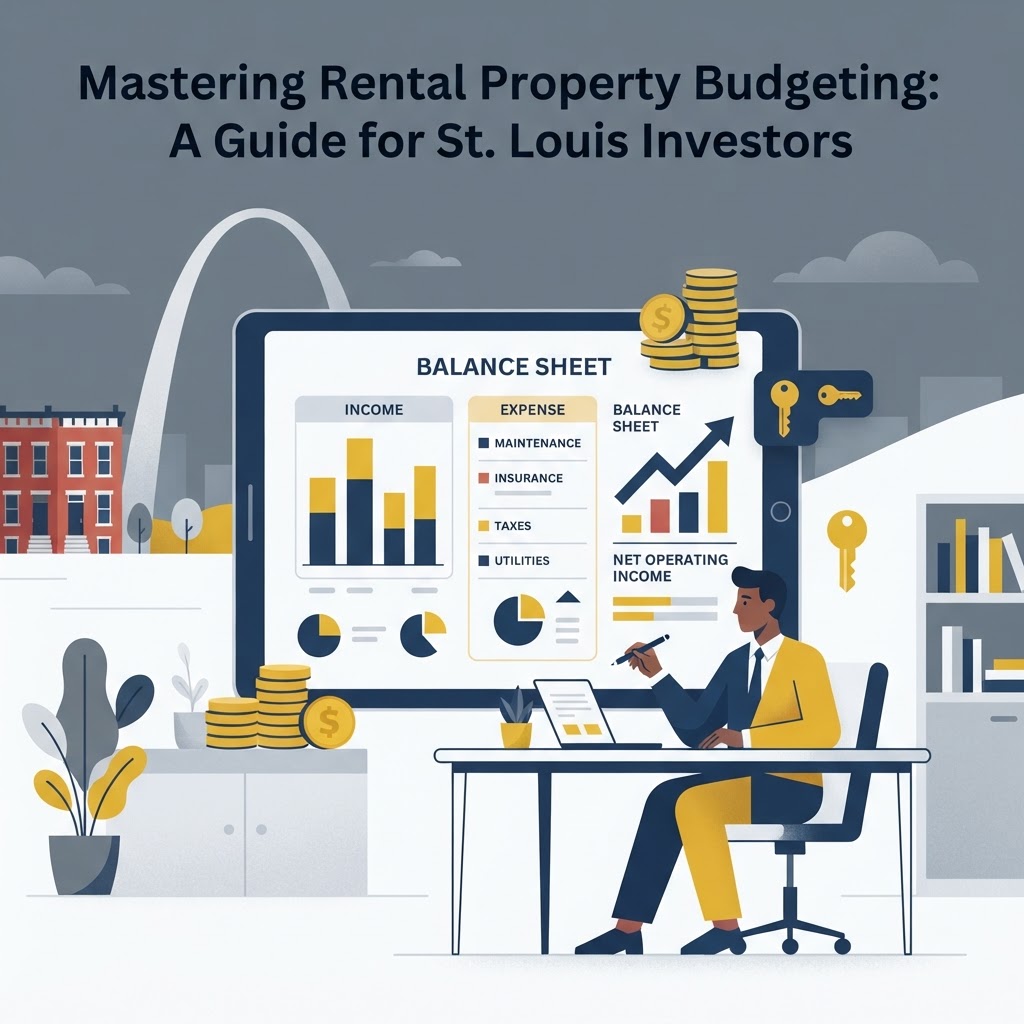
Budgeting effectively for rental properties is crucial for maximizing profits and ensuring long-term success in the real estate market. For St. Louis investors, understanding local market dynamics and incorporating them into your financial planning can make all the difference. Let's delve into key strategies and considerations for crafting an effective rental property budget.
Understanding Rental Income
Your budgeting journey begins with a clear understanding of potential rental income. This involves researching comparable properties in the St. Louis area to gauge what tenants are willing to pay. By analyzing data from multiple sources, such as local real estate websites and market reports, you can establish a realistic rent price.
Keep in mind that factors such as proximity to public transportation, local schools, and neighborhood amenities can significantly impact rent potential. A property located near the vibrant Central West End or the historic charm of Soulard might command higher rents compared to other areas. STL Property Managers can provide valuable insights into local market trends, helping you set competitive yet profitable rent prices.
Estimating Operating Expenses
Accurately estimating operating expenses is another critical component of effective budgeting. These expenses include property taxes, insurance, maintenance, repairs, and utilities. In St. Louis, property taxes can vary by locality, so it's essential to check the latest rates from the St. Louis County Department of Revenue.
Insurance costs are influenced by the size and location of your property, as well as the coverage level you choose. Regular maintenance and repairs, while sometimes unpredictable, should be anticipated as part of your budget. A good rule of thumb is to allocate 1% to 2% of the property's value annually for these expenses. Utilities, if covered by the landlord, should be estimated based on historical usage data.
Accounting for Vacancy Rates
Vacancy is an inevitable aspect of rental property management, and budgeting for it ensures you're prepared for periods when your property might be unoccupied. The average vacancy rate in St. Louis can fluctuate, influenced by seasonal trends and economic conditions.
To mitigate the impact of vacancies, maintain a reserve fund that can cover expenses during these times. A sensible approach is to budget for at least one month's rent per year in vacancy costs. This buffer can help you manage financial obligations without stress during tenant turnover.
Planning for Capital Expenditures
Capital expenditures (CapEx) refer to significant investments in your property that enhance its value, such as roof replacement, HVAC system upgrades, or major renovations. Unlike regular maintenance, these are not recurring annual expenses but require foresight and planning.
It's prudent to set aside a portion of your rental income each month for CapEx. Depending on the age and condition of your property, this could be anywhere from 5% to 15% of your annual income. Working with STL Property Managers can help you assess the condition of your property and anticipate necessary capital improvements, ensuring your budget accounts for these eventualities.
Leveraging Tax Benefits
Rental property ownership comes with various tax benefits that can enhance your overall financial picture. These include deductions for mortgage interest, property depreciation, and certain operating expenses. Understanding and optimizing these tax advantages is a key part of effective budgeting.
Consulting with a tax professional or utilizing resources from the IRS can provide clarity on available deductions and strategies to minimize your tax liability. Keeping meticulous records and documentation of expenses will support your claims and help you make informed financial decisions.
Utilizing Property Management Services
Engaging a property management company like STL Property Managers can streamline your budgeting process and enhance your investment's profitability. Professional managers offer expertise in tenant screening, rent collection, and property maintenance, helping to reduce vacancies and manage expenses effectively.
Moreover, property managers can provide detailed financial reports, offering insights into income, expenses, and overall profitability. This comprehensive view aids in making data-driven decisions, ensuring your budgeting strategy aligns with your investment goals.
Conclusion
Effective budgeting is the foundation of successful rental property investment. By understanding local market conditions, accurately estimating expenses, and planning for both expected and unexpected costs, you can optimize your rental income and protect your investment.
St. Louis offers a dynamic property market with diverse opportunities for investors. Whether you're managing a single property or a portfolio, partnering with STL Property Managers can provide the local expertise and support you need to thrive. Explore their services to see how they can enhance your property management strategy and ensure financial success.