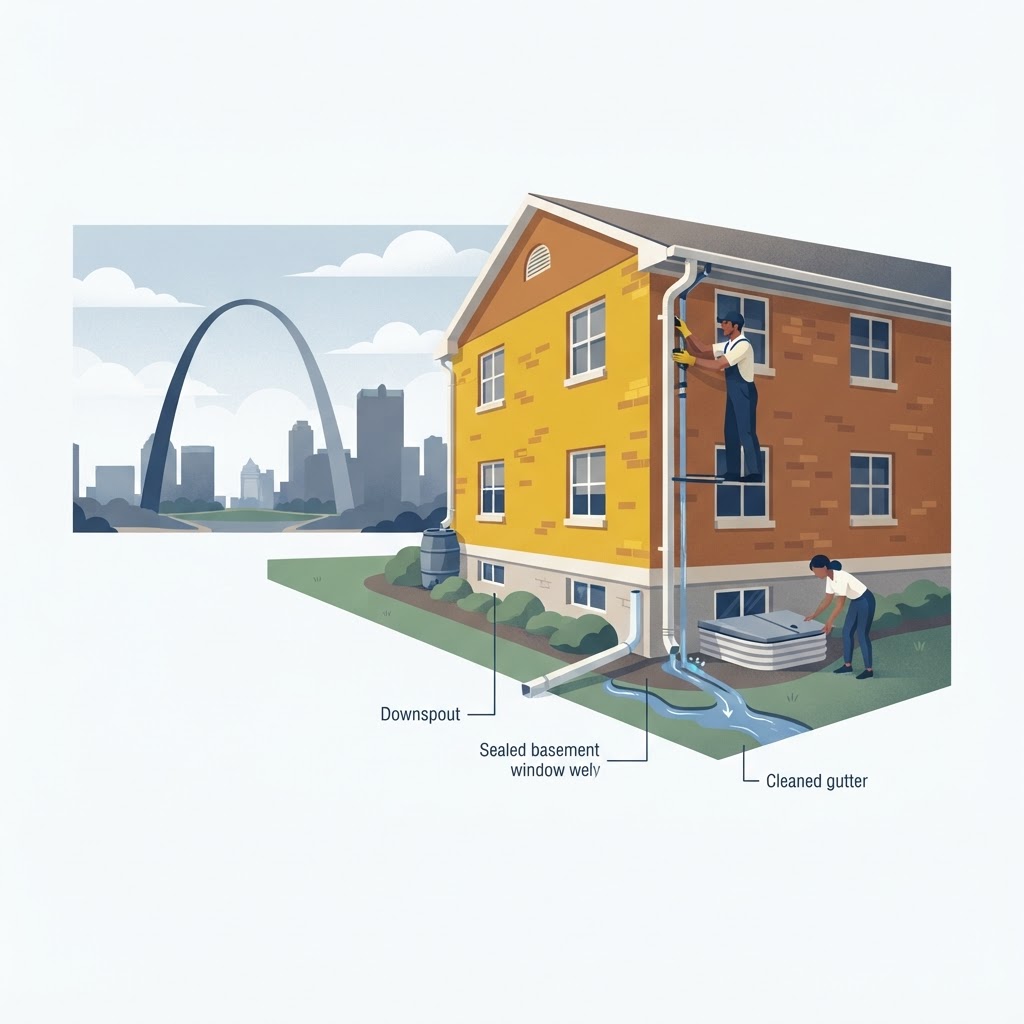
Water damage can be one of the most devastating issues a rental property owner in St. Louis can face. With the city's variable weather patterns and older infrastructure, the risk of water intrusion is significant. Fortunately, by taking proactive measures, rental property owners can protect their investments from costly water damage.
Understanding Water Damage Risks in St. Louis
St. Louis is known for its humid climate and periodic heavy rainfall, which can lead to water damage if properties are not properly maintained. The city's older homes, common in neighborhoods like Soulard or the Central West End, often have outdated plumbing systems and basements that are prone to leaks. Recognizing these local challenges is the first step in effective water damage prevention.
To combat these issues, property owners should regularly inspect plumbing systems for leaks, especially after heavy rainfalls. Additionally, investing in a professional inspection can help identify potential vulnerabilities in your property's structure.
Regular Maintenance and Inspections
Regular maintenance and inspections are crucial in preventing water damage. As a rental property owner, you should schedule seasonal inspections to identify potential problem areas. This includes checking roofs, gutters, and downspouts to ensure they are clear of debris and functioning properly.
- Roof Inspections: Ensure that shingles are intact and that there are no signs of wear and tear. A compromised roof can quickly lead to water intrusion.
- Gutter Maintenance: Clogged gutters can cause water to overflow and damage the foundation. Regular cleaning is essential, especially in the fall when leaves accumulate.
- Plumbing Checks: Inspect pipes for leaks or corrosion, particularly in older properties where pipes are more susceptible to wear.
Implementing Preventive Measures
Preventive measures are essential in safeguarding your rental property against water damage. Simple yet effective strategies can make a significant difference. Installing sump pumps and waterproofing basements are two highly recommended approaches.
- Sump Pumps: These devices are crucial in areas prone to flooding, such as basements. Ensure your sump pump is in good working order and consider a backup system for added security.
- Basement Waterproofing: This involves sealing walls and floors to prevent water intrusion. It's particularly beneficial in St. Louis, where basements are common and often used for storage.
Educating Tenants
Tenant education plays a vital role in water damage prevention. By informing your tenants about the steps they can take, such as reporting leaks promptly and using dehumidifiers in damp areas, you can significantly reduce the risk of water damage.
Provide tenants with a clear protocol for reporting plumbing issues and encourage them to notify you of any signs of water intrusion immediately. Regular communication can prevent minor issues from becoming major problems.
Partnering with Professional Services
Sometimes, the best way to prevent water damage is to partner with professionals. STL Property Managers, for instance, offers comprehensive property management services that include regular maintenance and emergency response. By leveraging their expertise, you can ensure that your property remains in top condition, minimizing the risk of water damage.
Professional services can provide detailed inspections and timely repairs, addressing issues before they escalate. This proactive approach is invaluable in protecting your investment.
Conclusion
Water damage prevention is a critical aspect of maintaining a rental property, particularly in a city like St. Louis where weather conditions can be unpredictable. By understanding local risks, conducting regular maintenance, and implementing preventive measures, property owners can protect their investments effectively. Partnering with experts, like STL Property Managers, can further enhance your property's resilience against water damage, ensuring peace of mind for both you and your tenants.
For further guidance and resources on property maintenance, visit the Missouri Department of Natural Resources, which offers valuable information on handling water-related issues in the region.